Daily Life,General Health,Health & Fitness,Health & Wellness,Health Care,Heart & Blood Pressure,Medicine,Men's Health,Women's Health
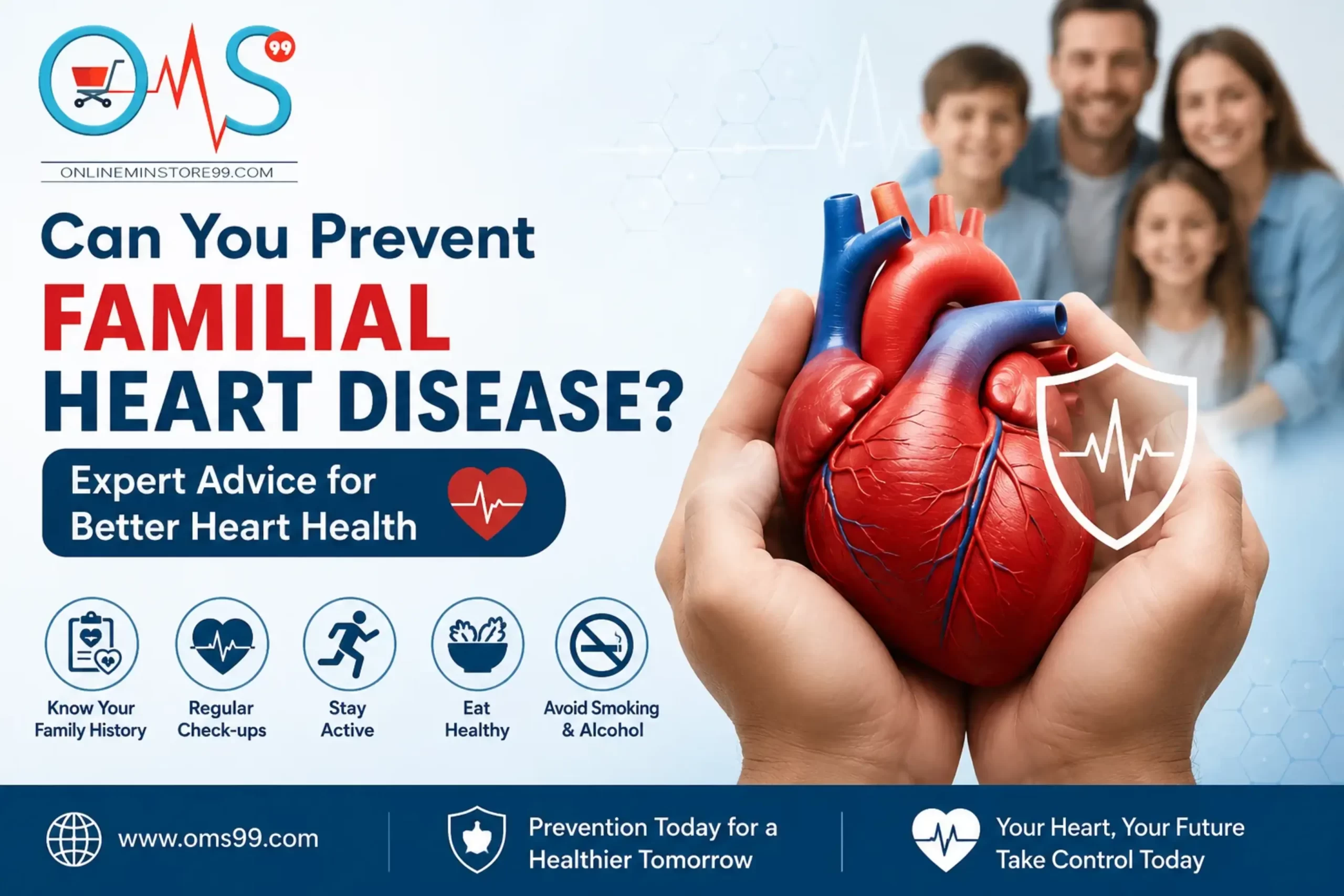
Can You Prevent Familial Heart Disease? Expert Advice for Better Heart Health
Introduction
If you have a family history of heart disease, you probably know that your risk of heart disease is higher. But how much higher? The answer is important as we have remarkably effective ways to lower your risk once we know how high it is. Your genes don’t have to be your fate.
Jessica’s story
Jessica has been feeling her heart racing lately and is concerned. She is in her early 50s, around the age of her father’s first heart attack. In addition, her mother had a stroke in her early 60s. Looking at her story, Jessica did a great job of staying healthy – she never smoked (like her father) and she generally eats well and stays active.
But, she wonders, is that enough to prevent heart disease or stroke in the future?
What Is Your Heart Disease Risk
A family history of heart disease is the most difficult risk factor to assess for heart disease. Unlike the other main risk factors (age, smoking, diabetes, high cholesterol, and high blood pressure), it is difficult to measure the impact of family history on a person’s risk. We know that a family history of heart disease increases your risk (especially if the heart attack or stroke occurred early in life, usually defined as a first-degree male relative <53 years or a female relative <63 years) can be more than history just “bad genes”. The affected family member may have made poor health decisions (such as Jessica’s father is a smoker) or may have had other environmental factors than you.
And the question of how high the risk is is critical as the level of risk is the main factor in how aggressive we should be in our prevention efforts. Once we know that a person’s risk is high, we have very effective ways of reducing that risk. The problem is that people with family history are often at high risk and are not aware of it.
How to Determine Your Risk
Sometimes the reason for the family history of heart disease is obvious. For example, if there is a high cholesterol level in the family, that person is likely to benefit from aggressively treating their high cholesterol level. In other cases, the reason for family history cannot be easily explained by conventional risk factors. Most of us probably know someone, possibly with a family history, who has heart disease, although it appears that this is a picture of health.
In these situations, we need more information to accurately determine that person’s risk. And in my practice, we get this information by doing an imaging study to assess which artery disease the patient is suffering from, either with a CT calcium score or with a carotid ultrasound.
How Imaging Tests Help Assess Heart Disease Risk
The role of these imaging tests, such as CT calcium score or carotid ultrasound, is to further clarify a person’s risk of future heart disease. The extent of a patient’s artery disease is a meaningful indicator of their future risk of heart disease. And when we know that someone is at high risk, we can be more aggressive about prevention.
Heart diseases and strokes are strikingly common. Research has shown that 60% of men and 56% of women in the United States will have a heart attack, stroke, or heart failure in their lifetime. That is the bad news. The good news is that up to 80% of heart disease is preventable. If your family has had heart disease, talk to your doctor to find out how you can better understand and reduce your risk.
When to See a Heart Disease Doctor
In case of heart disease in your family history, then you should react fast by seeing a doctor as soon as possible, especially when you have chest pains, excessive tiredness, and breathing difficulties. Also, do not ignore any heart rate irregularities. Even without clear warning signs, regular health checkups remain very important. Consequently, early medical tests easily spot hidden risks like high blood pressure or bad cholesterol safely. Furthermore, speaking with your doctor helps build a strong daily prevention plan. Thus, getting timely medical advice directly improves Men’s Health and keeps your cardiovascular system protected.
FAQs
Q1. Can I completely avoid inherited heart disease?
Ans. Yes. Although you cannot change your family genes, healthy daily habits heavily lower your overall risk.
Q2. When should I start my health screenings?
Ans. Generally, people with family risks must start testing very early. Therefore, quickly ask your doctor for the best starting age.
Q3. Is daily exercise really good for the heart?
Ans. Absolutely. Regular exercise strongly builds the heart muscles naturally. Consequently, it safely lowers high blood pressure and bad cholesterol.
Q4. Does heart disease affect other body parts?
Ans. Yes. Poor blood flow slowly harms many body systems. Therefore, maintaining excellent heart health strongly boosts your overall sexual wellness too.
Q5. Which bad foods should I clearly avoid eating?
Ans. Simply avoid highly processed meals, excess salt, and heavy artificial sugar. On the other hand, make sure that you always eat fresh fruits, vegetables, and whole grains every day.
Conclusion
In summary, having a strong family history of heart problems does not mean you will definitely get sick. However, it certainly requires careful attention and steady daily effort. Therefore, always focus on healthy eating, regular exercise, and properly lowering your stress levels. Small lifestyle changes heavily reduce your future risks over time. Additionally, closely follow your doctor’s medical advice. For more simple and trusted tips, visit Oms99 to learn better ways to protect your body. Ultimately, taking these easy steps firmly supports women’s health and safely secures a much longer, happier life.