General Health,Health & Fitness,Health & Wellness,Health Care,Medical Education,Medicine,Men's Health
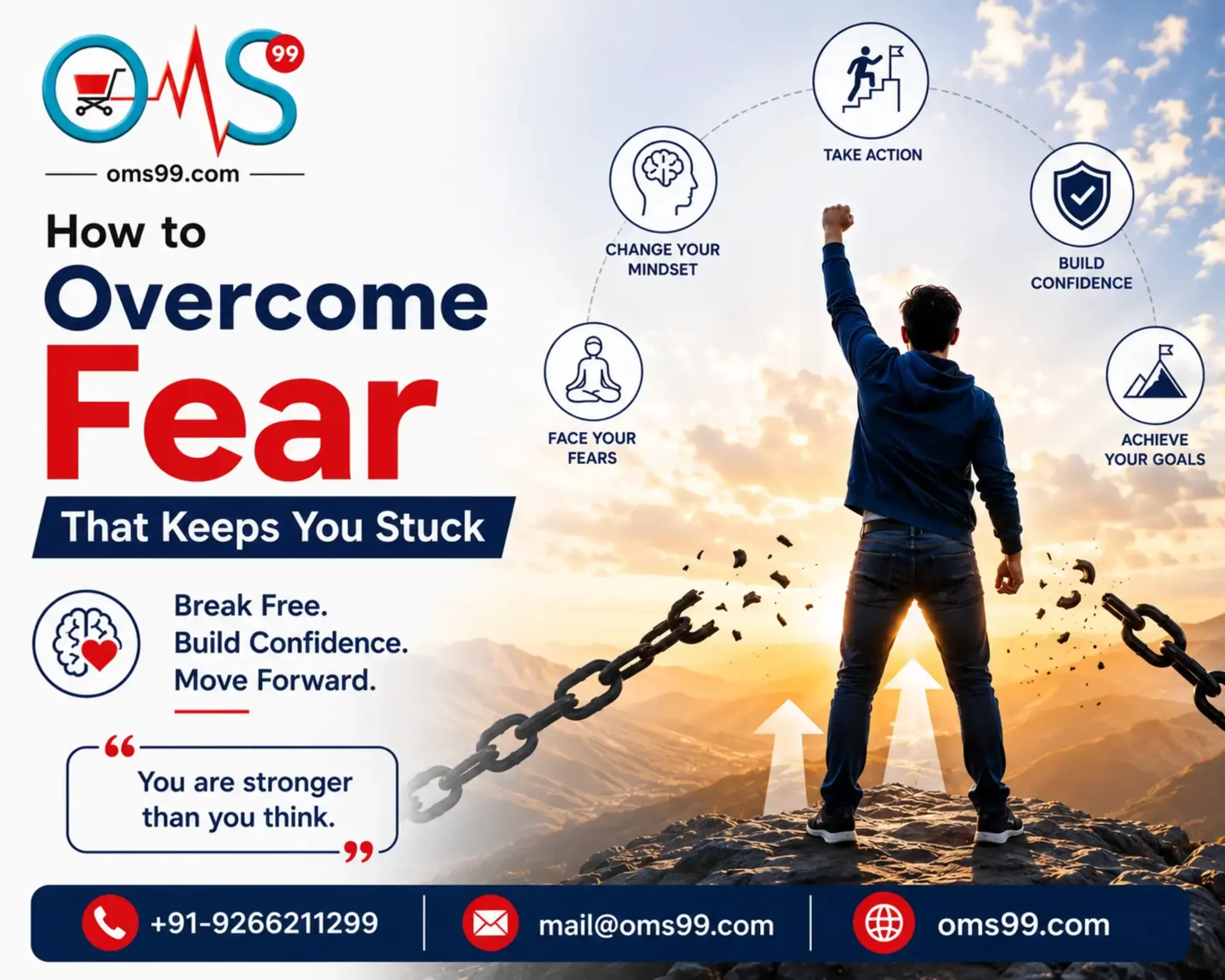
How to Overcome Fear That Keeps You Stuck
Introduction
Somewhere between connecting and being in a committed relationship is the “situation.” You know it is an element, but what kind of element is not entirely clear, so you have fear.
Some people love their situation: the feeling of freedom, informality, and flexibility. For example, getting out of a long and intense relationship can make a situation feel light and spacious. Others appreciate having time to meet the person they are with before deciding when or if to level up the relationship.
But what if you are not enjoying your status? What happens if you crave a deeper connection and the peace of mind that comes with knowing where you stand? Love is not the only emotion that can motivate you to remain in a situation. For many people, fear is the driving force that keeps them committed to a relationship without commitment. Here are some common sources of fear that hold situations.
Fear of Compromise
Some prefer to maintain an indefinite relationship even though they plan to stay with the person because they are afraid of being “bound” by them. They may have witnessed the miserable marriage or the bitter divorce of their parents, and are afraid to go the same way. Or they may have an avoidant attachment style, in which too much closeness can feel suffocating. Others may worry that they will be in an awkward position if their feelings for their partner begin to diminish. For one reason or another, it feels safer to maintain their indefinite relationship status.
Fear of Getting Lost (FOMO)
FOMO can motivate a person to remain in a limbo relationship, which provides a relatively easy way out if they decide they want to look for other options. This factor may be especially relevant in communities such as university campuses where people tend to have many casual dates with little expectation of a continuous connection.
Afraid To Move the Other Person Away
If you want to know what the deal with your relationship is, you can hesitate to ask for fear that your partner will bother you. You may worry that they think you are too “needy” or too dependent. While he prefers to have some clarity, he doesn’t want to risk losing the relationship altogether. This fear can be especially important if a previous partner has been angry with you for trying to talk about the relationship.
Afraid To Ask For What You Want
You can also hesitate to ask for a more serious commitment in your situation because you are not used to meeting your needs. Maybe you’re so used to focusing on what others want you don’t even think about what you need. Or maybe you are only afraid of the other person saying “no” when you ask for something else.
Fear That Nothing Better Will Come
If you are disappointed that your situation has not yet become more serious, you can choose to stay in it because you fear there is no one else for you. Therefore, opt for the company over satisfaction, to avoid the risk of being alone. This factor can be especially important as we get older and begin to worry that we will never have the kind of relationship (and possibly family) we want.
Afraid No One Else Loves Me
A related but more harmful fear is that you are not desirable as a partner, so it is better to maintain a relationship halfway. This fear is almost certainly a lie, but this kind of lie we tell ourselves can be difficult to understand. If it resonates with you, share your thoughts and feelings with someone you trust (most likely not with your partner). While this fear is common, most of the time it is not true.
When to See Your Doctor
It is common to feel fear, but the situation becomes very challenging when such fear imprisons one in negative circumstances. Thus, seeking a doctor becomes inevitable if fear leads to panic attacks, excessive depression, or poor sleeping patterns. Seeking professional help is also important if excessive worries prevent one from making basic decisions and impair his/her daily duties. Importantly, a professional therapist equips you with effective methods through which you can be liberated from the problem. Seeking medical attention helps in eliminating constant stress. Ultimately, this helps in improving Men’s Health significantly.
Frequently Asked Questions (FAQs)
Q1. Why is it so easy for fear to capture individuals?
Ans. This is because most people find themselves stuck in terrible situations out of deep-rooted fear of change, rejection, or unexpected future failure.
Q2. How can I get rid of my fear?
Ans. The first step is to make little progress every day. The second step is to seek advice from a competent medical consultant to help you regain your lost confidence.
Q3. Is intense fear capable of causing damage to my body?
Ans. Yes, it can because constant worry results in severe headaches, hypertension, and extreme tiredness.
Q4. Does continuous stress affect my personal life?
Ans. Yes, deep-seated fear slowly but surely erodes all close personal relationships. Hence, reducing your anxiety helps safeguard your sexual wellness and recapture happiness.
Q5. Is therapy really effective in dealing with this situation?
Ans. Yes, without a doubt. Therapy will help to diagnose the exact cause of fear.
Conclusion
In summary, intense fear should never force you to stay in a bad place. Recognizing this hidden problem is your first big step toward personal freedom. Next, you must slowly build courage by making small daily changes. Moreover, talking to trusted family or experts heavily reduces deep emotional pain. Taking back control safely protects your future happiness and peace. For more simple guidance, please visit Oms99 to find easy steps for a better life. Ultimately, beating fear strongly supports overall women’s health, helping you live a truly balanced and completely fearless life every single day.