Acne,General Health,Health & Fitness,Health & Wellness,Health Care,Life Style,Medicine,Medicines Order,Men's Health,Order Medicines,Women's Health
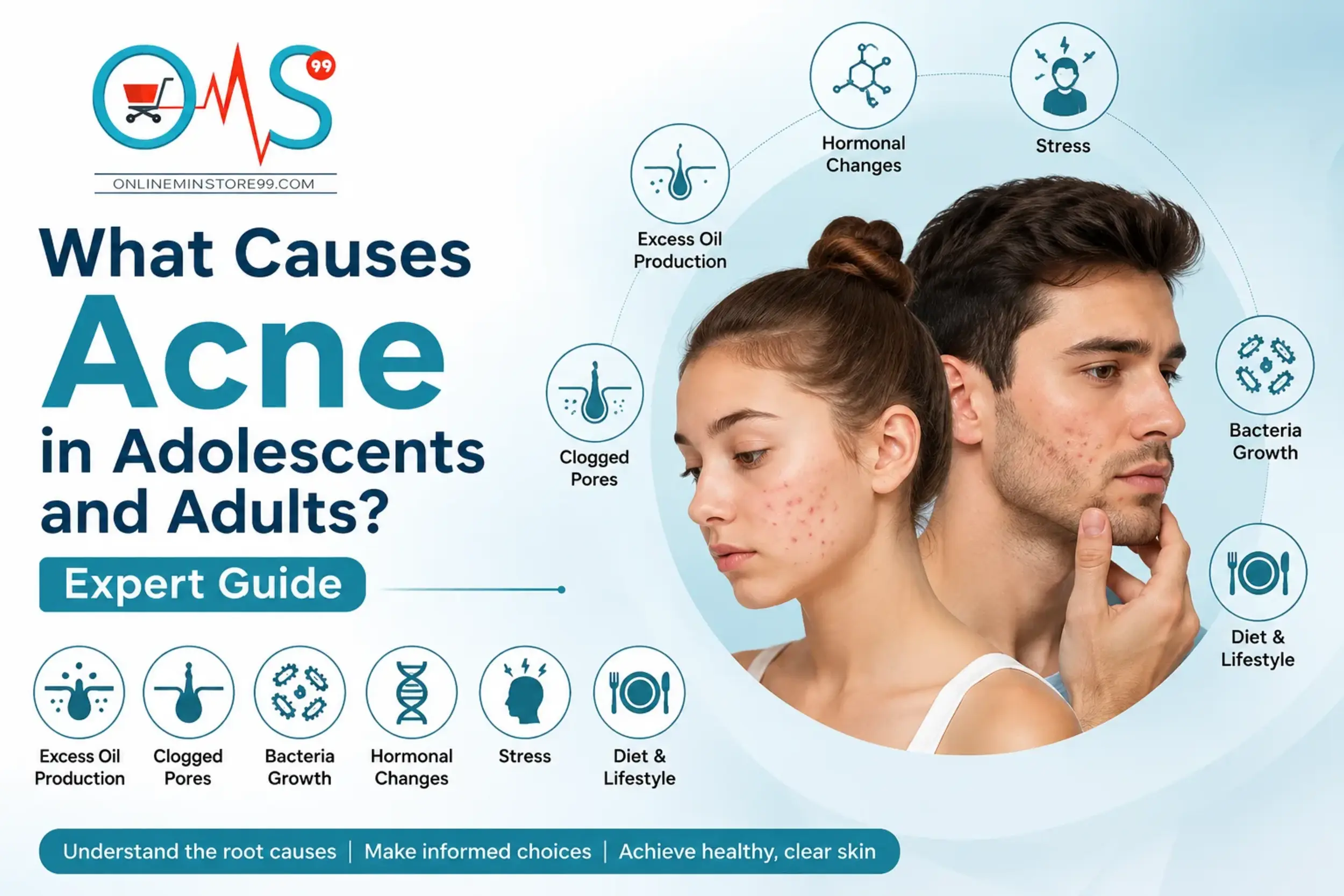
What Causes Acne in Adolescents and Adults? Expert Guide
You Can Reduce Acne from Possible Reason
Acne in adolescents and adults. We even understand the intricate process of grain formation. We really do not know the direct cause of why pimples form that result in a diagnosis of acne.
Buy Acne Medicine: Acne, like many other diseases treated by doctors, remains a medical mystery that has not yet been resolved. To learn more about the causes, read on. Research studies have found that no single factor causes this condition. For the most part, we have only discovered that it is a series of factors that worsen acne, as well as many potential causes.
The factors identified as contributors to the development of acne include hormones, inflammation, evolutionary biology, vitamin A deficiency, and stress. The issue of diet and its influence on the disease remains a source of controversy.
Frankly, there are more questions than answers about how pimples develop into persistent skin breakouts. We know some aspects of the known factors that contribute to the worsening of acne.
How Clogged Sebaceous Glands Cause Acne and Affect Your Skin
Clogged sebaceous glands contribute to the development of this skin condition. When we reach pubescence, our endocrine system begins to work overtime (our endocrine system releases substances called hormones into the bloodstream). Likewise, it plays an essential role in developing secondary sexual characteristics in both men and women.
The females, in response to the hormones estrogen, progesterone, and androgen, begin their menstrual cycle, develop the breast, and begin to reach other milestones of development. Additionally, men respond to testosterone through changes such as pubic hair growth, a deeper voice, and the development of facial hair.
Some of these hormones also stimulate the production of sebum or oil from the sebaceous glands that are found near the hair follicles. The function of oil is to lubricate and protect the skin. Additionally, it helps protect the body by serving as the first line of defense against environmental and internal bacteria.
Acne Defined
The increase in oil moves from under our skin to the outside of our body through the ducts and pores in our skin. Old cells, dead cells, and bacteria can collectively obstruct a duct of the oil gland, and the cells around the duct become inflamed and redden.
It could develop a small lump, or pustule, or the oil could push through the surface and we refer to this as a whitehead. After reaching the surface, the oil comes in contact with the oxygen and the oil changes from white to black, which we call the black head. The increase in redness, inflammation, and pustules is acne.
When the obstruction is in the deeper layers of the skin, inflammation increases and a papule develops, which fills with pus. When the blockage develops even deeper, the result is a cyst that is more inflamed and sensitive. The reason why one gland is clogged with the other is not fully understood.
For more information on Acne treatment options, reach us today
Fable vs. Facts
Eat fatty foods; there is evidence that working in oily or fatty environments contributes to acne because the oil adheres to the skin and clogs the hair follicles.
- Hygiene. Dirty skin does not cause acne. Rubbing the skin too hard or using strong soaps can irritate the skin and worsen outbreaks.
- Cosmetics. It is recommended that the use of water-based or non-fat based cosmetics be healthier for the skin. Comedogenic refers to cosmetics that clog pores.
When you dispel the myths and learn the facts, you empower yourself. When making decisions about the care and treatment for acne you need the facts. This stubborn skin disorder can be treated. Start early to have the best chance of successfully controlling the disease. Therefore, understanding the known factors associated with acne can help you make informed decisions about its prevention and treatment.
According to the Mayo Clinic, acne is more common among teenagers, although it can affect people of all ages. When older adults are diagnosed, this may indicate a more serious underlying disease that requires immediate medical attention.
Best Clinics identifies four factors that contribute to skin flares:
- Excess production of oil of sebaceous glands.
- Hair follicles are clogged with oil, dead skin cells, and bacteria.
- Bacteria.
- Excess activity of male androgen hormone in males and females.
The Mind-Body Connection and New Trends in Acne Care
Research has also identified these factors that worsen and do not cause the condition.
- Hormones released at puberty.
- Hormonal changes related to pregnancy.
- Drugs such as lithium, corticosteroids, testosterone, and growth hormone (GH) preparations that athletes use to increase muscle mass.
- Stress (emotional or physical).
New directions and theories abound as a result of the mind/body connection. This is not a philosophy of the new era or ideology of oriental medicine. The mind/body connection is an accepted reality without questioning.
Emotional and physical stress affect many of the systems of our bodies. The endocrine system, the respiratory system, the Buy digestive system medicines, the immune system and even the integumentary or the skin are affected by stress.
This excess of taxes and stress in our body can aggravate acne outbreaks, but we still do not understand how this process works. It cannot be overemphasized that this condition results from multiple contributing factors.
Current research trends focus on whether the inflammatory process stimulates the development of the disease. Furthermore, one theory suggests that when an oil duct becomes clogged, inflammation triggers the development of skin disease.
Do lower levels of antioxidants such as vitamin A, vitamin E, and selenium play a role in the skin of people suffering from acne? The debate continues.
Additionally, an infection elsewhere in the body may also increase the risk. Moreover, some studies suggest that following a low-glycemic-index diet may support treatment. The known risk factors should not be ignored, such as age, hormonal changes, family history, oily work environments, and friction or pressure on the skin.
Frequently Asked Questions (FAQs)
Q1. Why do adolescents have acne?
Ans. Hormonal changes occur rapidly during the adolescent stage, leading to an increase in skin oil. Thus, the skin pores are blocked and lead to acne.
Q2. What leads to adult acne?
Ans. Like adolescents, adults experience frequent hormonal changes. In addition, daily stress and excessive use of skincare products can lead to blocking of pores and acne.
Q3. Do foods lead to pimples?
Ans. Yes, in some cases. For example, consumption of too much sugar can make your skin condition worse. However, food factors that may cause acne vary from person to person.
Q4. Is it possible for lifestyles to affect one’s skin?
Ans. Of course. A healthy lifestyle helps you keep your hormones well-balanced. Moreover, good sleeping habits and sexual wellness prevent acne.
Q5. When should I consult a doctor?
Ans. It is better to consult a dermatologist if your acne becomes painful with scars on your skin. In the end, you avoid skin problems forever.
Conclusion
One of the main concerns among research scientists, dermatologists, and pharmaceutical companies is the development of resistant strains of bacteria. Moreover, a study published in the British Journal of Dermatology involving more than 3,500 patients found that an average of 51% carried colonies of antibiotic-resistant bacteria.
Genetic mutations do not augur well for today’s dermatology patient. Geneticists, biologists, and dermatologists have a renewed vigor and concern for identifying the true causes of acne. Buy acne medicine online from Oms99.