General Health,Health & Fitness,Health Care,Heart & Blood Pressure,Life Style,Medicine,Men's Health,Women's Health
What is Blood Pressure? Everything You Need to Know
Introduction
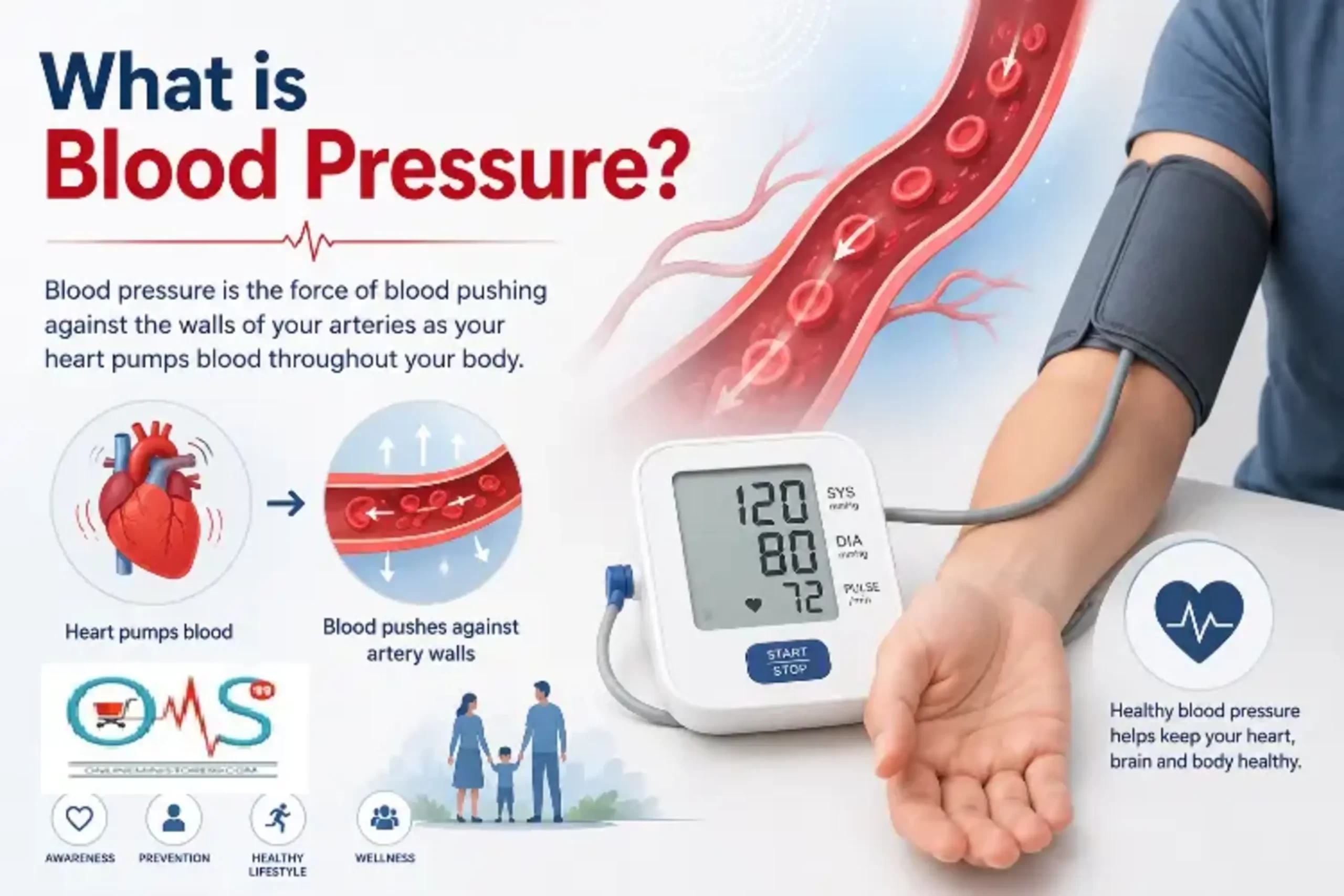
Blood pressure is simply the force of blood pushing against your artery walls. As your heart pumps blood throughout the day, this pressure helps maintain circulation. Therefore, keeping your blood pressure healthy helps protect your brain, heart, and kidneys from damage.
- How is Blood Pressure Maintained in Our Body?
- The Meaning of Blood Pressure Readings
- Various Types of Normal, Hypertensive, and Hypotensive Blood Pressure
- Causes of Hypertension
- Causes of Hypotension
- Symptoms of Blood Pressure
- Influences on Blood Pressure
- Diagnosis of Blood Pressure
- Management and Treatment of Blood Pressure
- How Can We Control our Blood Pressure?
- When Should You See Your Doctor Concerning Your Blood Pressure?
- FAQs
- Conclusion
How Blood Pressure Functions in the Body
The heart functions like a natural pump. As a result, it continuously pumps blood into channels known as the arteries. Just like how blood pressure impacts the body in the same way that water flows in the house piping system, blood pressure ensures that the body gets proper blood circulation and thus the distribution of oxygen to all body parts.
Understanding Blood Pressure Readings
Understanding blood pressure readings is actually very easy. In fact, you receive two important numbers.
- Systolic pressure: The top number it determines the power of the pump while pumping blood.
- Diastolic pressure: The bottom number appears in the reading. Meanwhile, it indicates the pressure while the heart rests between pumps.
120/80 mmHg is the usual reading of the pressure in the arteries.
Various Types of Normal, Hypertensive, and Hypotensive Blood Pressure
Blood pressure is very important.
- Normal blood pressure readings: It should ideally be near 120/80 mmHg. However, hypertension means the numbers are very high.
- Hypotension: Very low readings make you dizzy.
Causes of Hypertension
There are many causes of high blood pressure. Bad habits play a big role. For example, they include excessive salt intake, obesity, smoking, alcohol intake, stress, old age, and a family history of heart problems.
Causes of Hypotension
In contrast, factors such as dehydration, bleeding, unhealthy diets, specific heart conditions, and hormonal imbalances can cause hypotension. Sometimes, a sudden drop means you need fast medical help.
Symptoms of Blood Pressure Problems
Symptoms of High Blood Pressure: The causes and symptoms of high blood pressure can be tricky because hypertension symptoms often hide. However, you might feel headaches, chest discomfort, or blurred vision.
Symptoms of Low Blood Pressure: Similarly, the signs of low blood pressure include fainting, severe fatigue, nausea, and feeling very lightheaded.
Influences on Blood Pressure
Additionally, getting older, sitting all day, diabetes, and high cholesterol raise your risk. As a result, having several of these factors makes heart disease prevention much harder.
Diagnosis of Blood Pressure
Therefore, it makes sense to check your blood pressure regularly. In addition, this can be done by visiting a clinic for tests or using home monitors.
Management and Treatment of Blood Pressure
If you need blood pressure treatment and management, you have two main options.
- Changing lifestyles: Improving diet and engaging in physical activities.
- Medicines: However, if the above approaches do not work, prescribed medications may be recommended to support your heart health.
How Can We Control our Blood Pressure
So, are you wondering how to maintain healthy blood pressure in a natural way?
- Adopt a balanced diet
- Cut down on sodium
- Exercise regularly
- Have adequate sleep
- Moderate alcohol consumption and do not smoke
- Control stress
Indeed, living a healthy life can work wonders for your overall well-being.
When Should You See Your Doctor Concerning Your Blood Pressure
Therefore, never overlook warning signs; consult a doctor if you experience frequent dizziness, sudden spikes, or blood pressure symptoms that affect your daily routine.
Frequently Asked Questions (FAQs)
Q1. What can be regarded as normal blood pressure?
Ans. Generally, the normal blood pressure range for adults is around 120/80 mmHg.
Q2. What leads to high blood pressure?
Ans. For example, common causes include poor diet, smoking, lack of exercise, stress, and genetic factors.
Q3. Can high blood pressure be managed naturally?
Ans. Yes. In fact, natural ways to control high blood pressure include exercise, relaxation, and reducing sodium intake.
Q4: Can low blood pressure be dangerous?
Ans. No, not always; however, extremely low blood pressure can be dangerous because it may result in fainting.
Q5. How often should blood pressure be checked?
Ans. Therefore, regular blood pressure screening is necessary for adults, particularly if their family history includes heart diseases.
Conclusion
We hope this blood pressure guide for beginners helps you out. Furthermore, tracking your numbers protects your heart health. As a result, good daily choices help prevent serious illnesses. Check your stats and talk to your doctor. For more wellness tips, visit Oms99 today.