Bone Health,Daily Life,General Health,Health & Fitness,Health Care,Life Style,Medicine,Men's Health,Pain Management,Pain Relief,Pharmacy,Physical Sciences,Women's Health
Bone Health and Support for Better Mobility
Introduction: The Importance of Bones for the Human Body
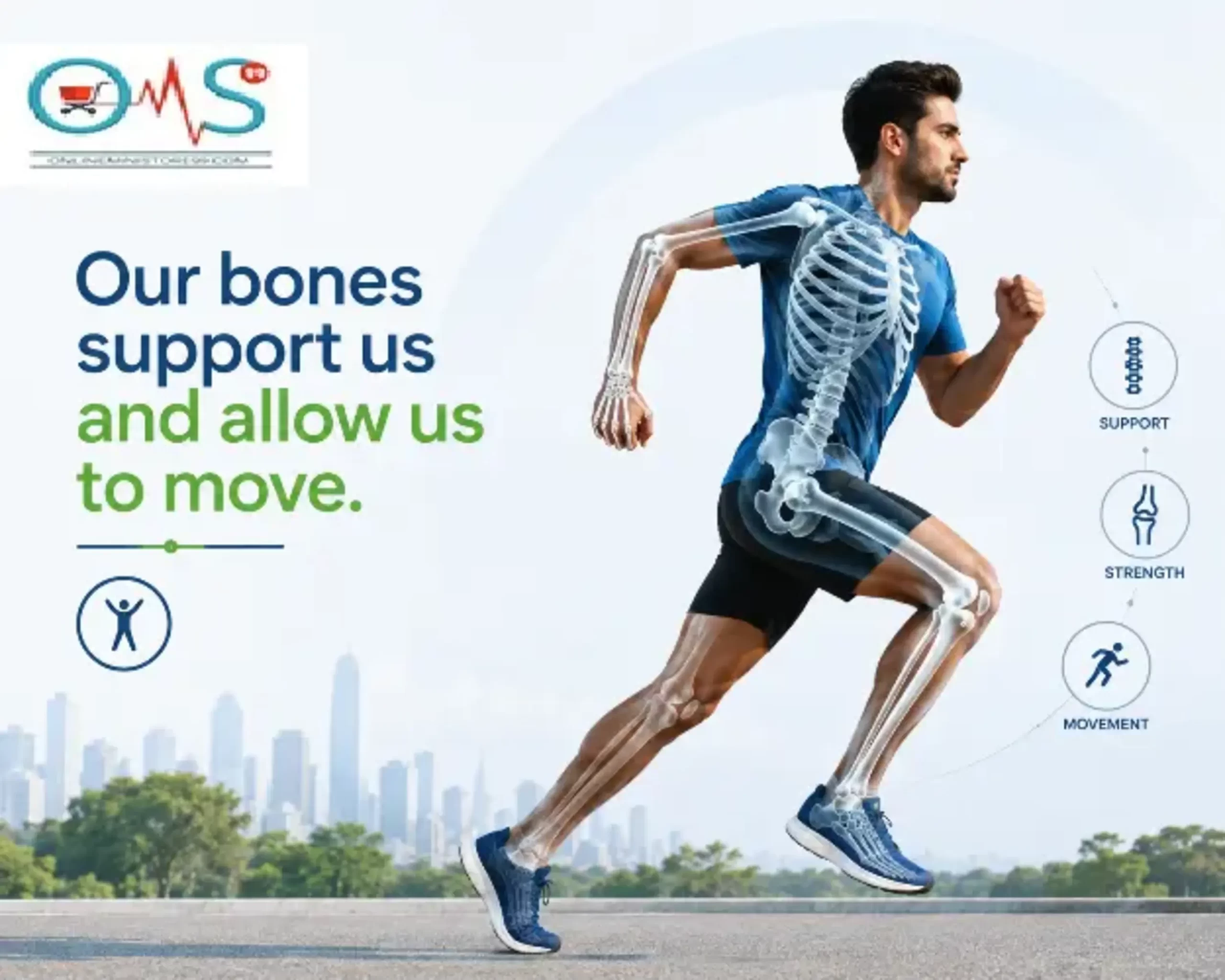
We will discuss how our bones carry us and help us move. In fact, the skeletal system serves as the structure of our body. They make it easy for you to have good posture and move about without being at risk. Through understanding the importance of the skeletal system, you will stay healthy and full of energy.
- Learning About the Skeletal System
- Supporting the Human Body with Bones
- Movement Supported by Skeletal System
- Skeletal system and muscles working together
- Other Roles of the Bones Apart from Moving
- Factors Influencing Skeletal Health
- Frequent skeletal diseases and disorders
- Proper Nutrition to Have Healthy Bones
- Healthy living practices to strengthen the skeletal system
- When to contact a doctor about skeletal health
- FAQs
- Conclusion
Learning About the Skeletal System
So, what exactly is the skeletal system? It is simply your body’s inner frame. A grown adult actually has 206 bones. Interestingly, babies start out with roughly 270. With time, as one grows, most of these small parts come together to form a large part.
Supporting the Human Body with Bones
The skeletal system shapes and supports the body structure. For example, the spinal cord maintains an upright position. Additionally, powerful leg bones bear daily weight. Healthy joints and muscles help you maintain balance so that you will not fall.
Movement Supported by Skeletal System
Movement is one of the main functions of the skeletal system. In fact you may imagine your frame as rigid levers and joints as points of pivot. The amazing design demonstrates how bones help with movements. As a result of this, it becomes easy for one to run, jump, and move his or her arms.
Skeletal system and muscles working together
Muscles work with the skeletal system through very strong connective tissue cords called tendons. When muscles contract, they pull on the structures they attach to. Such fantastic cooperation enables you to crouch, carry shopping bags, and be an athlete.
Other Roles of the Bones Apart from Moving
Furthermore, the additional roles performed in the skeletal system include:
- Protection of the soft internal organs such as the heart and brain.
- Marrow produces new blood cells.
- They contain useful minerals such as calcium.
- They help to maintain bodily functions.
Factors Influencing Skeletal Health
Various factors determine skeletal health. Such factors include age, genetics, and physical activity. Your eating habits, hormone changes, and lifestyle choices like smoking and drinking are vital.
Frequent skeletal diseases and disorders
Unfortunately, there are many skeletal disorders. They include the following:
- Osteoporosis: Skeletal tissue becomes very thin and weak.
- Osteoarthritis: Joints become very stiff.
- Fractures: Breaks due to unpleasant falls.
- Rickets: A disease among children because of poor nutrition.
- Bone infections: Bacteria inside the skeletal tissue.
Proper Nutrition to Have Healthy Bones
Firstly, eating right is a big deal. Additionally, the best foods for skeletal health pack the right stuff. You need calcium for skeletal strength. Furthermore, vitamin D is very vital for maintaining density, together with magnesium, proteins, and phosphorus for building up strength.
Healthy living practices to strengthen the skeletal system
Want some advice on how to keep healthy bones naturally? The following tips regarding skeletal problems might be useful. Be physically active and walk as much as possible. Additionally, maintain a healthy weight. Moreover, avoid smoking, limit alcohol intake, and visit your doctor regularly.
When to contact a doctor about skeletal health
Additionally, be cautious of fractures after a minor impact, noticeable shrinking, stiffness, and difficulty moving the arms.
FAQs
Q1. Why are bones important in movement?
Ans. Bones work hand-in-hand with muscles and joints to enable movement. The skeletal system provides a sturdy framework so that one can walk, run, and lift without pain.
Q2. How many bones do humans have in their body?
Ans. Fully grown humans have exactly 206 skeletal pieces, while newly born babies have 270 skeletal pieces that fuse over time.
Q3. What are the nutrients that are essential for bone health?
Ans. You absolutely need calcium, vitamin D, magnesium, phosphorus, and protein. These build a very healthy skeleton.
Q4. What exercises help strengthen bones?
Ans. Walking, dancing, climbing stairs, and even lifting light weights can help improve skeletal density.
Q5. What are the early indicators of unhealthy bones?
Ans. Additionally, frequent fractures, pain, loss of height, and weak joints are some of the signs to look out for.
Conclusion
To conclude, a healthy skeletal system is highly necessary. It protects our internal organs and makes our lives comfortable without any restrictions. Moreover, healthy skeletal strength is possible at any age with good nutrition and lifestyle habits. Get other wellness guides easily from Oms99.